Leave Us a Message
Contact us now to get professional waste recycling solutions and quotation!


With the growing focus on environmental recycling, many companies are exploring ways to repurpose waste plastics and used tires. Pyrolysis offers a solution, transforming these materials into valuable products.
This raises a question: can plastics and tires be processed together in the same pyrolysis unit?
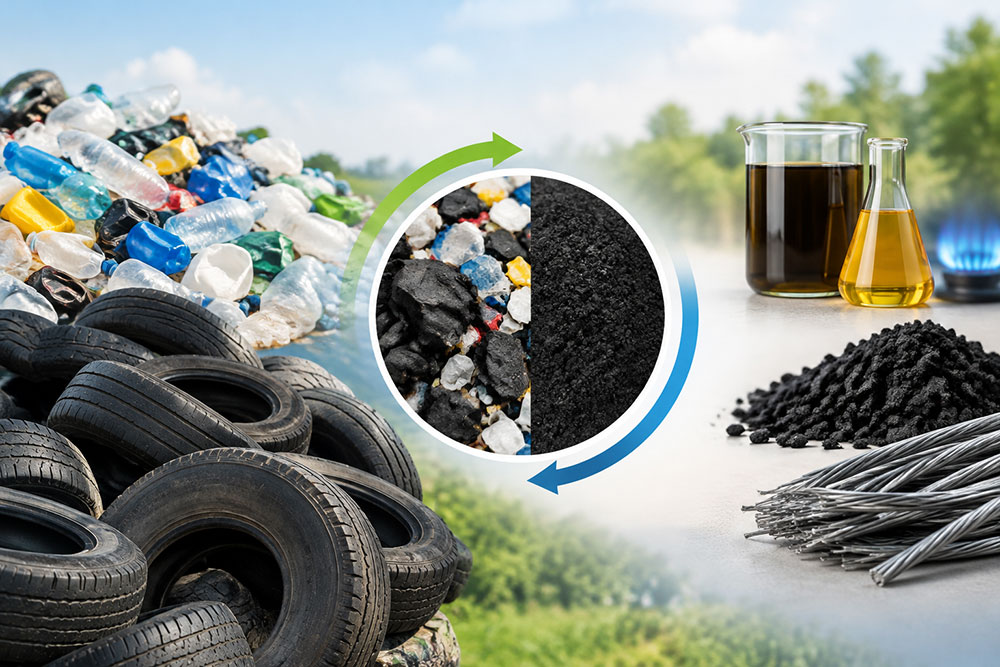
Co-pyrolysis is a possibility, provided that the pyrolysis equipment and process are compatible with both types of feedstock.
Waste tires consist primarily of rubber, carbon black, and steel wire, whereas there is a wide variety of plastics, each with distinct pyrolysis characteristics.
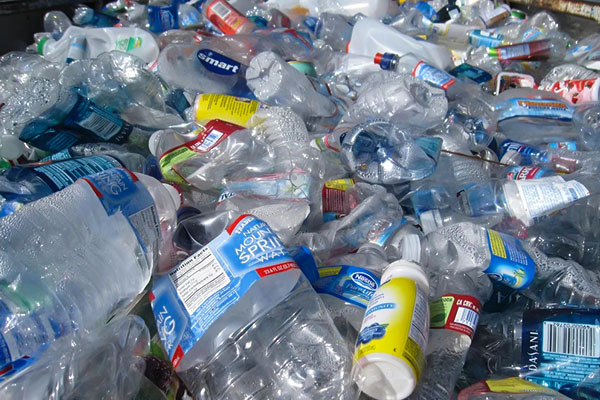
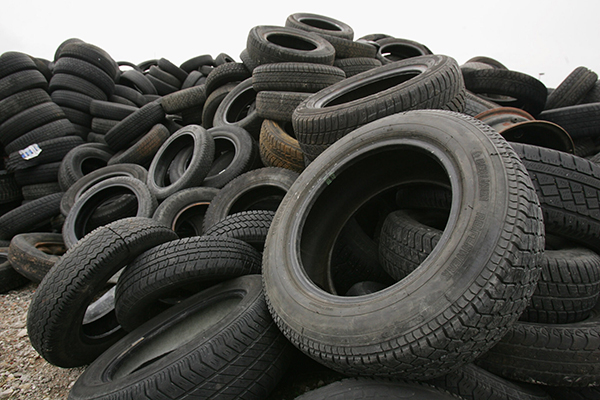
If you intend to process both plastics and tires in the same pyrolysis equipment, there are several issues that need to be considered in advance.
For PE, PP, and PS, you can first evaluate whether they are suitable for co-pyrolysis.
PVC, however, requires extra caution; its pyrolysis can generate chlorine-containing compounds, which may corrode equipment and complicate the treatment of off-gases.
The mixing ratio of plastic and tires affects the composition of the products; it is recommended to conduct tests first before determining an appropriate ratio.
Plastics soften or even melt when heated, whereas the decomposition process for tires is different; therefore, the equipment must be capable of handling the feeding, heat transfer, and discharge of mixed raw materials.
The pyrolysis process requires appropriate systems for condensation, off-gas treatment, and safety control; one should not focus solely on oil yield.
| Comparison Item | Mixed Cracking | Separate Cracking |
|---|---|---|
| Feedstock Handling | Requires control of the mixing ratio | Allows for separate pre-treatment |
| Process Control | Must account for both types of feedstock | Easier to adjust parameters for specific feedstocks |
| Product Quality | Requires additional verification | Quality control is more straightforward |
| Equipment Requirements | Must verify capacity for handling mixtures | Equipment can be selected individually to suit each feedstock |
If the client has a stable source of raw materials and the mixing process has been validated, co-pyrolysis (mixed pyrolysis) can be considered.
However, if the plastic waste is highly heterogeneous, or if there are specific quality requirements for the pyrolysis oil, processing the materials separately generally allows for better control.
💡Before purchasing equipment, it is advisable to clarify a few key points:
Having this information will help determine whether a mixed-feed pyrolysis process is suitable for your specific project, rather than selecting equipment without a clear assessment.
Based on the specific types of raw materials and processing requirements, Gomine provides tailored recycling equipment and customized solutions, helping clients explore more suitable methods for the resource recovery and utilization of waste.