Leave Us a Message
Contact us now to get professional waste recycling solutions and quotation!


Aluminum-plastic materials are actually part of our everyday lives. By combining aluminum and plastic, they offer a blend of properties—such as being lightweight and resistant to moisture and oxygen—making them widely used in sectors like packaging, construction, pharmaceuticals, and new energy.
However, the tight bonding of the aluminum and plastic makes recycling and separation challenging. So, what are some common examples of aluminum-plastic materials we encounter in daily life?
Blister packaging for tablets and capsules is a very common type of aluminum-plastic material found in daily life, typically composed of aluminum foil and plastics such as PVC.
Common sources include:


Many food packages resemble ordinary plastic bags but actually contain an inner layer of aluminum foil.
Common examples include:
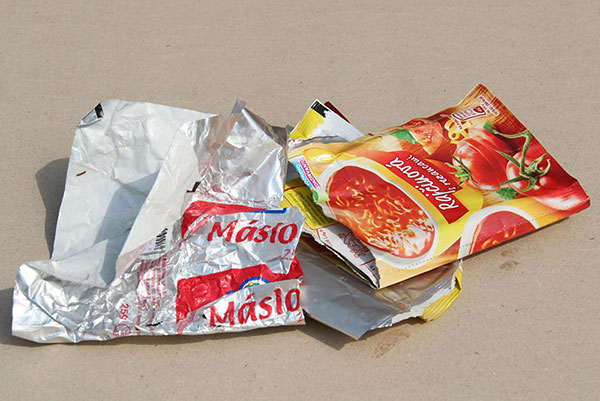
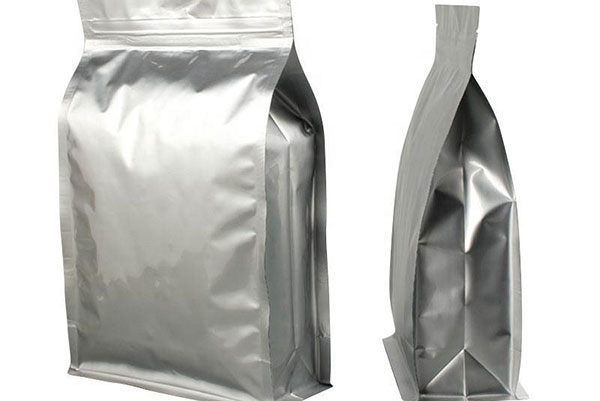
In these cases, the aluminum layer primarily serves to block light and oxygen and prevent moisture, while the plastic layer provides flexibility and ensures a tight seal.
Aluminum-plastic composite panels—typically composed of aluminum sheets and a plastic core—are primarily used for architectural decoration, billboards, and commercial storefronts.
Sources of waste aluminum-plastic panels include:

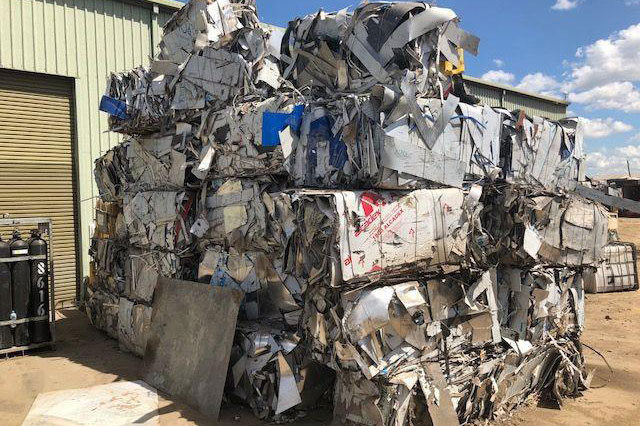
Due to the large size of this type of waste, it generally requires initial shredding, followed by the separation of the aluminum and plastic components based on specific conditions.
Some construction and industrial pipes utilize an aluminum-plastic composite structure, endowing the material with a combination of good strength, flexibility, and corrosion resistance.
Waste aluminum-plastic pipes primarily originate from:
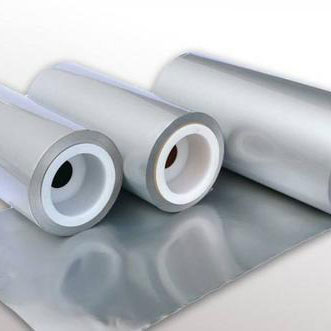

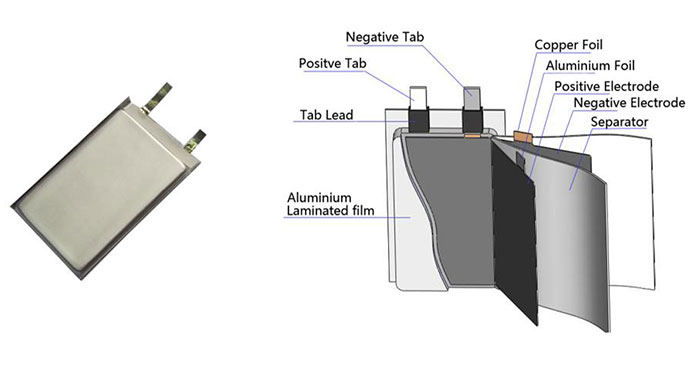
The aluminum-plastic film used in pouch-type lithium batteries is a representative aluminum-plastic composite material in the new energy sector.
Compared to standard packaging films, it typically features a multi-layer composite structure, making it more challenging to process.
During the recycling process, the appropriate technology and equipment must be selected based on:
Aluminum-plastic materials have become integral to numerous industries, ranging from pharmaceutical blister packs and food packaging to aluminum-plastic composite panels, composite pipes, and aluminum-plastic films for lithium batteries.
For enterprises, selecting the appropriate aluminum-plastic recycling equipment—based on material type, processing volume, and separation requirements—enables more effective resource recovery from waste while simultaneously reducing resource wastage and the burden of waste disposal.