Leave Us a Message
Contact us now to get professional waste recycling solutions and quotation!

Many machines contain heat sinks, which typically consist of copper and aluminum; once processed, these materials can be reused, making this a highly profitable venture.
So, how can heat sinks be recycled efficiently?
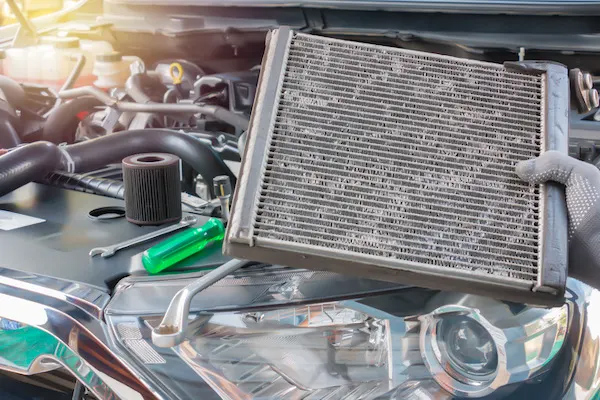
Most automotive radiators are primarily composed of:
Of these components, copper and aluminum are the most valuable parts. Copper radiators, in particular, typically command higher recycling prices.
Many old heat sinks typically contain:
If these materials are fed directly into processing equipment, they can disrupt machine operation and compromise the purity of the recovered metal. Consequently, most recycling facilities perform a preliminary disassembly process.
Traditional manual cutting is highly inefficient; consequently, many recycling facilities now utilize dual-shaft shredders.
Shredded radiators:
What truly determines profitability is the separation of copper and aluminum.
Common methods include:
By utilizing this equipment, copper, aluminum, and impurities can be further separated, thereby enhancing the purity and market value of the finished product.
The radiator recycling process generates:
Without a dust removal system, the working environment is compromised, and environmental issues may arise.
Consequently, many modern recycling production lines are now equipped with:
This approach is not only more environmentally friendly but also ensures greater stability throughout the entire production workflow.
Old radiators are not merely scrap; the copper and aluminum contained within them possess significant recycling value. Processing them using automated equipment not only enhances efficiency but also yields superior recycling results.