Leave Us a Message
Contact us now to get professional waste recycling solutions and quotation!
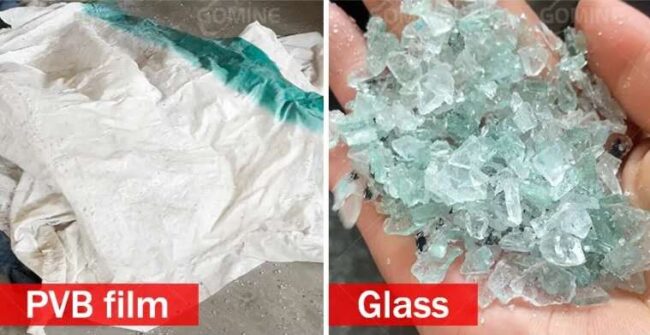
Those just entering the windshield recycling industry often ask: “Who actually buys the recovered glass and PVB film? What kind of companies are interested in taking them?”
In reality, profitability in this sector doesn’t just come from separating the glass from the film; the more critical factor is securing reliable buyers. Let’s take a look at the various sales channels and application markets for these materials.
After being crushed, separated, and cleaned, windshields yield recycled glass cullet of various particle sizes. Once properly processed, this glass can be reintroduced into industrial production cycles.
💡Key buyers include:
PVB film is a key component of automotive windshields, primarily serving to bond two layers of glass together. In the event of a windshield shattering, the PVB keeps the glass fragments adhered to one another, thereby enhancing safety.
Once recycled, PVB film can be transformed into a plastic raw material with reuse value.
💡Typical downstream buyers include:
Beyond understanding the buyers, it is also necessary to know what final products these materials will be processed into. The intended use determines the quality requirements that downstream enterprises have for recycled materials.
Once screened and purified, recycled glass can be used to manufacture new glass, create decorative materials, or serve as an input for certain construction products.
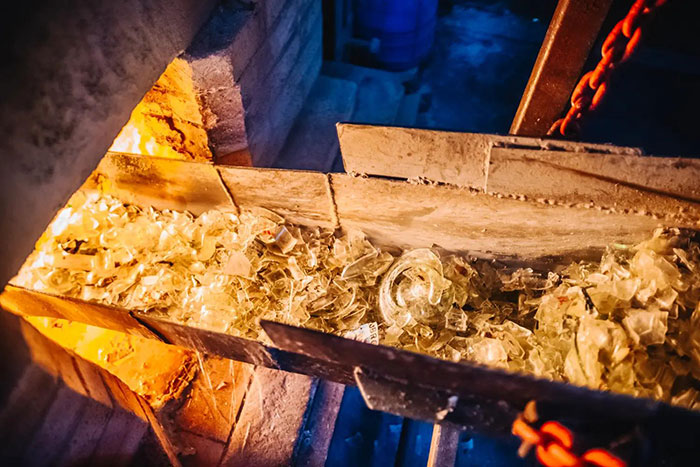
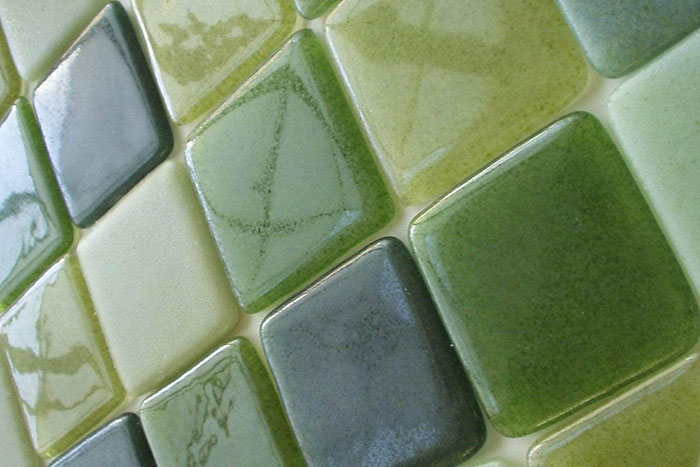
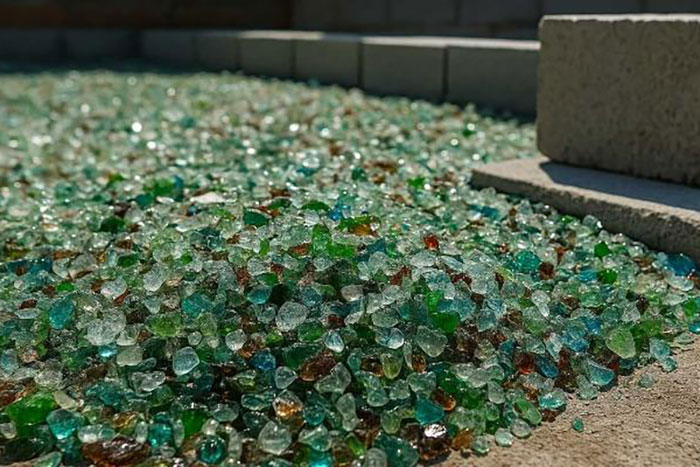
However, not all recycled glass is suitable for direct use in the production of glass goods; different products have specific requirements regarding chemical composition, impurity levels, and color.
The recycled PVB film can be further processed into plastic particles or other recycled materials for use by companies with corresponding processing techniques.
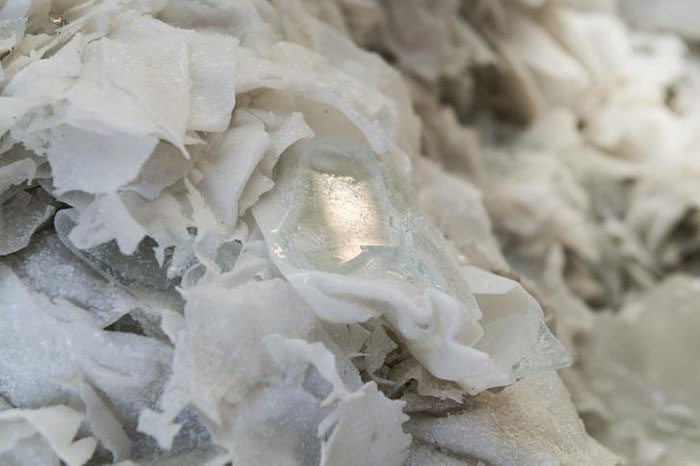
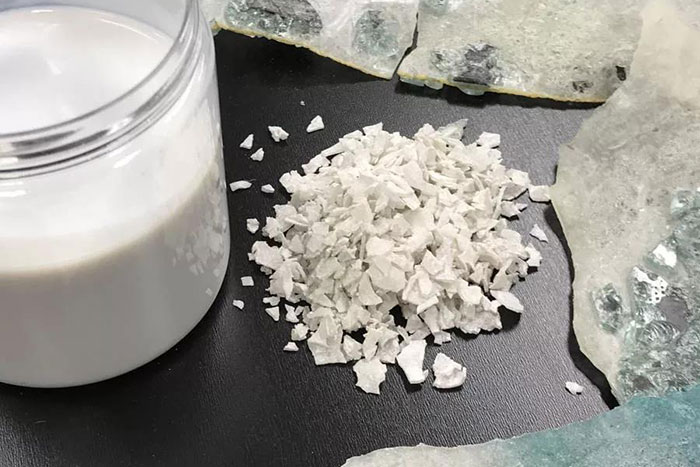
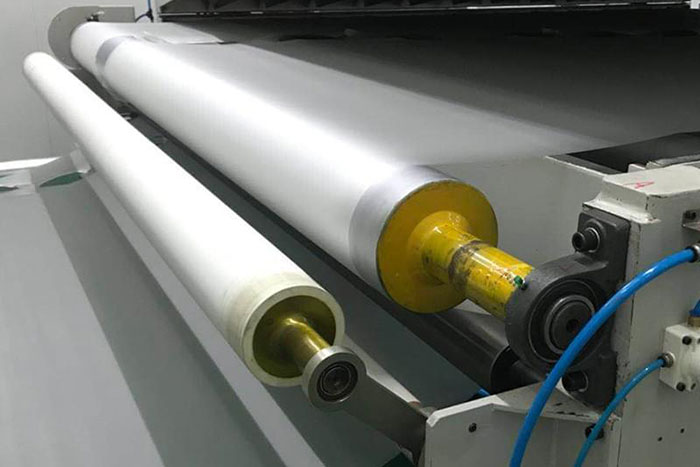
If the glass and the PVB interlayer are not separated thoroughly—leaving too much plastic film in the glass or a significant amount of glass shards in the PVB—buyers are often reluctant to accept the material, and the price is likely to be driven down.
💡To increase the sales value of recycled materials, you can focus on the following areas:
Gomine specializes in equipment for the recycling of various types of solid waste. The company provides solutions for windshield recycling, enabling businesses to effectively recover both the glass and the PVB interlayer from end-of-life windshields—thereby enhancing resource utilization and generating greater commercial value.