Leave Us a Message
Contact us now to get professional waste recycling solutions and quotation!


The electric scooter at home is broken, and the car won’t start. Don’t rush to throw away these old batteries! These seemingly “useless” lead-acid batteries are actually very valuable. Therefore, the benefits of establishing a lead-acid battery recycling plant are far greater than you might imagine.
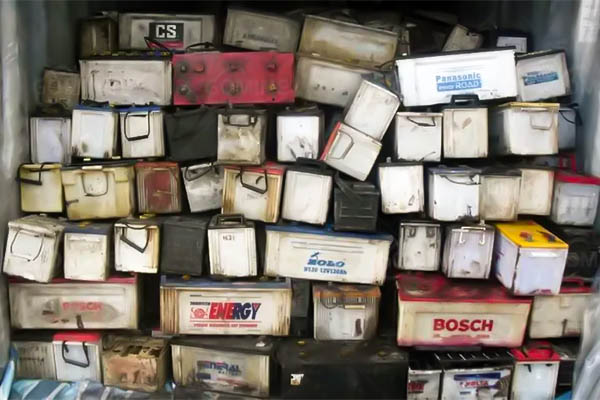
Lead-acid batteries have the highest recycling rate among all types of batteries, and their materials are inherently valuable:
Lead: The main metal component in batteries, it has a high purity after recycling and is expensive, making it suitable for direct use in manufacturing new batteries.
Plastic: The battery casing is made of high-quality polypropylene, which can be processed into various plastic products after recycling.
Sulfuric acid: After neutralization, it can be converted into industrial water or used to produce by-products.
✅Economic benefits
Recycling lead and plastic is low-cost and offers stable profits, and with government support, the business model is highly sustainable.
✅Environmental benefits
Making new batteries from recycled materials saves a lot of energy and generates much less pollution compared to using brand-new materials. This is equivalent to reducing the burden on the Earth.
✅Social benefits
This approach can create jobs, combat illegal recycling, reduce reliance on foreign lead ore, ensure resource security, and contribute to urban environmental protection.
Battery Crusher: This machine crushes spent lead-acid batteries into smaller pieces, facilitating the separation of different components.
Battery Disassembly Machine: This machine separates the various components of the battery, including lead plates, lead oxide, sulfuric acid, and the plastic casing.
Lead Smelting Furnace: The lead plates and lead oxide recovered from the battery disassembly process are melted in a lead smelting furnace. This furnace operates at high temperatures to separate the lead from other materials.
Acid Neutralization System: The sulfuric acid extracted from the batteries during the recycling process needs to be neutralized to prevent environmental pollution.
Plastic Recycling System: The plastic casings of the lead-acid batteries are also recycled in a separate system. This plastic is processed and granulated for various applications, reducing the need for virgin plastic.
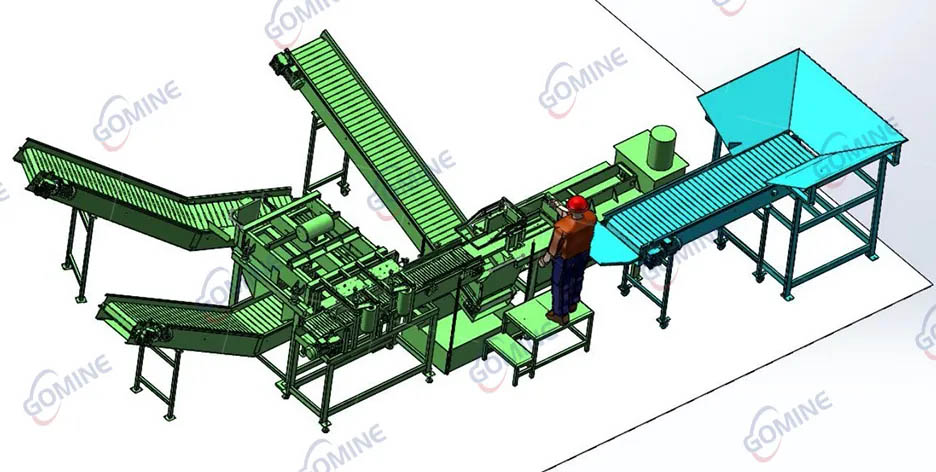
Lead-acid batteries are a prime example of recycling, as their materials can be regenerated almost countless times. In this sustainable cycle, each individual plays an indispensable role.
At Gomine, we have comprehensive lead-acid battery recycling facilities. If you are interested in lead-acid battery recycling, please feel free to contact us.