Leave Us a Message
Contact us now to get professional waste recycling solutions and quotation!


Before undergoing pyrolysis, waste tires generally need to be shredded first. Whole tires are large and unwieldy; feeding them directly into pyrolysis equipment makes both the loading process and subsequent treatment difficult. Shredding the tires into appropriately sized pieces beforehand ensures that the subsequent stages—conveying, heating, and pyrolysis—proceed much more smoothly.
So, the question is: why must tires be shredded prior to pyrolysis?
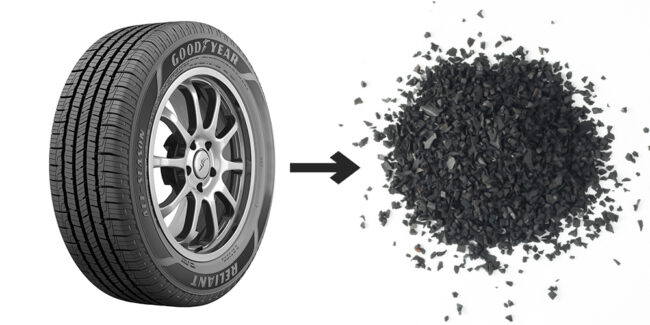
Whole tires are bulky and irregularly shaped, making direct conveying and feeding inconvenient.
✅Processing with a tire shredder allows for:
Tire pyrolysis works by heating the rubber so the organic stuff breaks down.
But if the chunks are too big, the inside heats up slowly. Once you shred them, the pieces are smaller, so there’s more surface area and heat spreads more evenly.
That’s why the right feed size really matters for the tire pyrolysis process.
Waste tires come in all different sizes. After shredding, the material is much more uniform, so it feeds and conveys more reliably.
And on a full tire recycling machine line, steady feeding up front keeps everything downstream running without interruptions.
Waste tires aren’t just rubber — they also contain steel wire and fiber. Depending on the recycling process, you can shred them first, then break them down further, screen them, or separate the materials based on what you need.
That way, each machine handles its own job, and it makes recovering the materials down the line a whole lot easier.
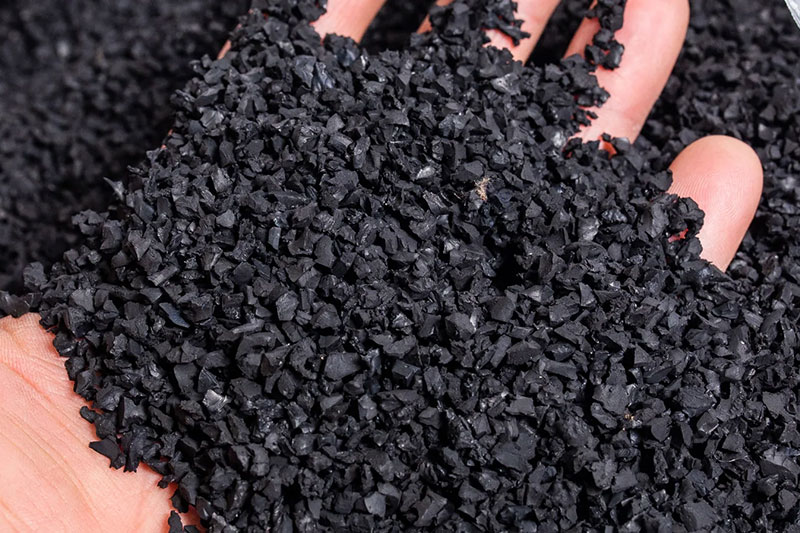
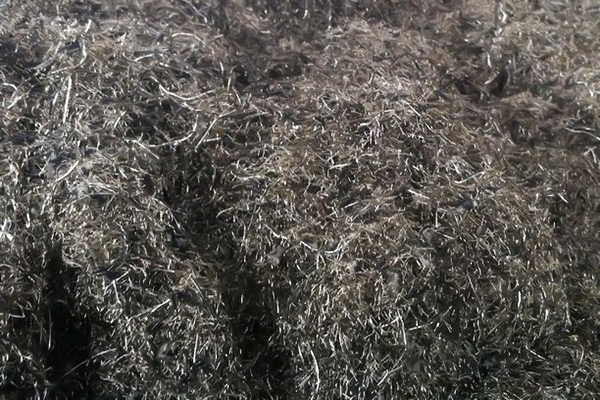
Tire shredding is not merely about reducing tire size; more importantly, it involves preparing suitable feedstock for the tire pyrolysis plant.
💡In actual production, the shred size must be carefully selected based on:
—it is not the case that finer shredding is always better.